Why Beginners Quit Guitar (And How to Beat the Odds in 2026)

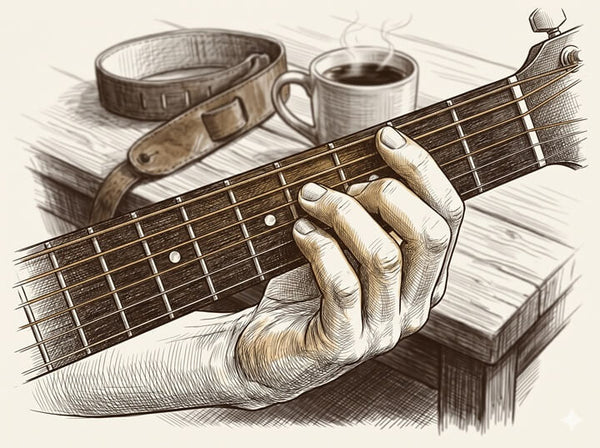
Acoustic guitar resting by a leather chair, representing the relaxing musical lifestyle beginners can achieve in 2026 when they overcome finger pain.

Why Beginners Quit Guitar (And How to Beat the Odds in 2026)

July 1, 2026

Quick Answer

Most beginners quit guitar within the first 90 days due to severe finger pain, frustration with difficult chords like the F barre, and struggling to switch chords smoothly. Bypassing these physical hurdles early with proper setup or mechanical aids keeps you motivated to build lasting skills.

Difficulty
Beginner
⏱️
Time to Master
90 Days

The Dusty Guitar in the Closet

We all know someone with an acoustic guitar sitting in the corner of their bedroom, slowly gathering dust. Honestly, that was almost me. I bought my first guitar with visions of playing campfire songs out in Austin, but a few weeks later, my motivation completely vanished.If you feel like giving up, you need to hear this: it is not a lack of musical talent. You are simply fighting the physics of the instrument. When my fingers were blistered and I wanted to quit, I discovered the Guitar Chord Presser. Because Montzari offers fast USA shipping, it arrived at my door in just a few days. It allowed me to bypass the physical pain and actually play my first full song immediately while my hands were still healing. Let's break down the three hidden physical barriers that cause people to quit, and how you can beat them today.

The 3 Hidden Reasons You Want to Give Up

The 3 Hidden Reasons You Want to Give Up

The Finger Fire: Pressing steel strings against metal frets hurts. Most of us try to practice for an hour, blister our fingertips, and then have to take a week off. If your fingertips feel raw, check out our guide on why your fingers feel like they are on fire (and how to fix it fast).

The F Chord Wall: You learn G, C, and D, and feel like a rockstar. Then a song asks for an F major barre chord, which demands micro-muscle strength you just haven't developed yet.

The Laggy Transition: You know the chord shapes, but switching between them takes five agonizing seconds, making the song completely unrecognizable and destroying your confidence.

Guitar Chord Presser - Play F Chord Day 1 (USA Shipping)
Recommended Gear

Guitar Chord Presser - Play F Chord Day 1 (USA Shipping)

Mastering this technique is 2x faster with the right tool. Don't struggle unnecessarily.

View Tool
Pushing Through vs. Playing Smart

Pushing Through vs. Playing Smart

The old-school advice is to just "push through the pain." The supposed pro here is that you eventually build iron-clad calluses. The reality? 90% of people quit from sheer frustration before those calluses ever form.I prefer playing smart. There is absolutely zero shame in swapping to lighter gauge strings, getting your guitar's action lowered by a professional, or using mechanical pressing tools to get you through the dreaded first 90 days. Often, a guitar that is too hard to play is also prone to terrible fret noise. If your strings are rattling while you struggle, read up on why guitar strings buzz and the DIY fixes that actually work. Keep your guitar playable so you don't quit.

The Ergonomic Reality

The Ergonomic Reality

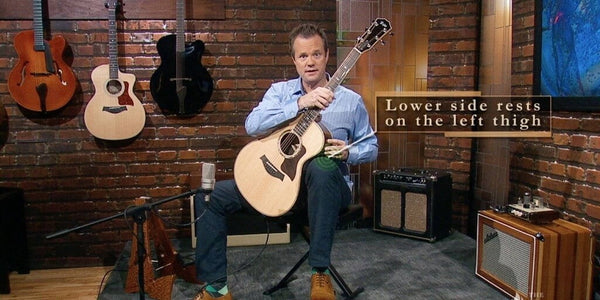
Sometimes, quitting isn't about your fingertips—it's about your back and wrists. Hunching over an acoustic guitar on a soft, sinking couch is a recipe for severe posture pain. It makes breathing harder and forces your fretting wrist into a painful, unnatural bend.Sit up straight in a firm chair, use a guitar strap even when you are sitting down to stabilize the neck, and keep your fretting wrist as straight as possible. When you remove the physical friction and discomfort of playing, your emotional motivation naturally returns.

💡 The Cheat Code

The 10-Minute Rule: Don't practice for an hour on the weekend. Practice for exactly 10 minutes every single day. Consistent, short bursts build calluses faster and prevent the overwhelming hand fatigue that causes 90% of beginners to give up.

Surviving the First 90 Days

Surviving the First 90 Days

  • The first three months of guitar are undeniably the hardest. Your fingers are soft, your wrist is awkward, and the instrument actively fights you. If you can survive this phase—by practicing in 10-minute bursts, using the right ergonomic tools, and giving yourself some serious grace—the guitar becomes a lifelong friend. Do not let a temporary physical hurdle convince you that you aren't musical!Read This Next: How To Change Guitar Chords Fast: 3-Second Switch Method (2025)