Why Guitar Strings Buzz 9 Hidden Causes (+ DIY Fixes That Actually Wor

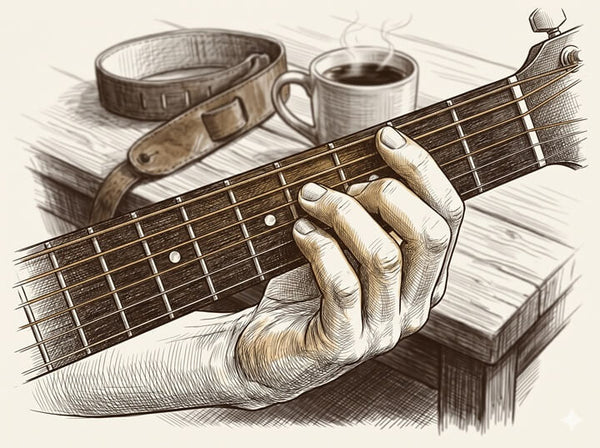
Close-up view of guitar strings and frets showing string buzz problem for troubleshooting guide

Why Guitar Strings Buzz 9 Hidden Causes (+ DIY Fixes That Actually Work) 🔧

July 5, 2025

Quick Answer

Guitar string buzzing is typically caused by string action that is too low, improper neck relief, incorrect string gauge, or seasonal humidity changes. You can diagnose the source by playing notes fret-by-fret up the neck. Most minor buzzing can be permanently resolved with simple bridge adjustments or climate control.

Difficulty
Medium (Basic Troubleshooting)
⏱️
Time to Master
10 Minutes
The Noise That Drives Guitarists Crazy

The Noise That Drives Guitarists Crazy

  • Picture this: You finally clean up a chord transition you have been practicing for weeks. You strum it perfectly, expecting a rich sound, but a harsh, metallic rattle completely ruins the moment. String buzzing affects nearly every guitarist at some point. It does not mean you are a bad player, and it doesn't mean your guitar is broken. Most of the time, it just means your instrument is reacting to changes in the air or mechanical shifting. As beginners, we often press down way too hard to compensate for bad sounds, which leads to unnecessary fatigue. While you isolate the hardware issues causing your rattle, using a specialized Guitar Chord Presser can help you press multiple strings cleanly and effortlessly. It eliminates the physical variable of finger pressure so you can tell if the buzz is caused by your technique or your guitar's mechanical setup.
The 30-Second Buzz Detective Test

The 30-Second Buzz Detective Test

Before turning any screws, you need to locate the source of the noise. Pluck each string open, then play them fret by fret all the way up to the 12th fret.

If the rattle only happens on open strings, you likely have a worn nut slot. Buzzing on frets 1 through 3 points to incorrect neck relief. If the rattle occurs past the 4th fret, your string action is likely too low at the bridge. To fully understand how these mechanical components dictate your sound, it helps to look at How Guitar Frets Work: The Science Behind Perfect Intonation so you can accurately spot uneven frets before attempting a DIY repair.

Guitar Chord Presser - Play F Chord Day 1 (USA Shipping)
Recommended Gear

Guitar Chord Presser - Play F Chord Day 1 (USA Shipping)

Mastering this technique is 2x faster with the right tool. Don't struggle unnecessarily.

View Tool
Why Your Climate is Warping Your Sound

Why Your Climate is Warping Your Sound

Guitars are made of organic wood, meaning they breathe, expand, and contract based on temperature and moisture. Dry winter air causes the wood to shrink, straightening the neck and dropping your strings close enough to the frets to create a constant rattle.

If you notice your guitar only buzzes during seasonal transitions, an external setup issue is the primary culprit. Sudden shifts also impact your tuning stability, so keeping an eye on your hardware changes is crucial. You can read my full breakdown on Guitar Tuner Apps vs Physical Tuners: What Actually Works 2025 to make sure your tuning tools are accurate enough to handle seasonal tension fluctuations.

💡 The Cheat Code

The Credit Card Metric: A standard credit card is roughly 0.8mm thick. Slide two stacked credit cards under your low E string at the 12th fret—if they lift the string or can't slide in smoothly, your action is too low and needs raising at the bridge saddle.

When to Put Down the Tools

When to Put Down the Tools

Adjusting your bridge saddles with a small screwdriver is a safe, easy way to eliminate a low-action rattle. However, if your diagnostic test indicates that your frets are physically uneven or that your truss rod needs a severe adjustment, do not force it. Forcing a neck adjustment without experience can permanently warp the wood. Know when to hand your instrument to a local tech to get a clean setup.

Read This Next: If your strings are perfectly clear but your hands are simply too exhausted to keep practicing, check out my companion guide on Your Fingers on Fire? Here's Why It Happens (And How to Fix It FAST) to protect your fingertips and extend your practice sessions.